




Related posts
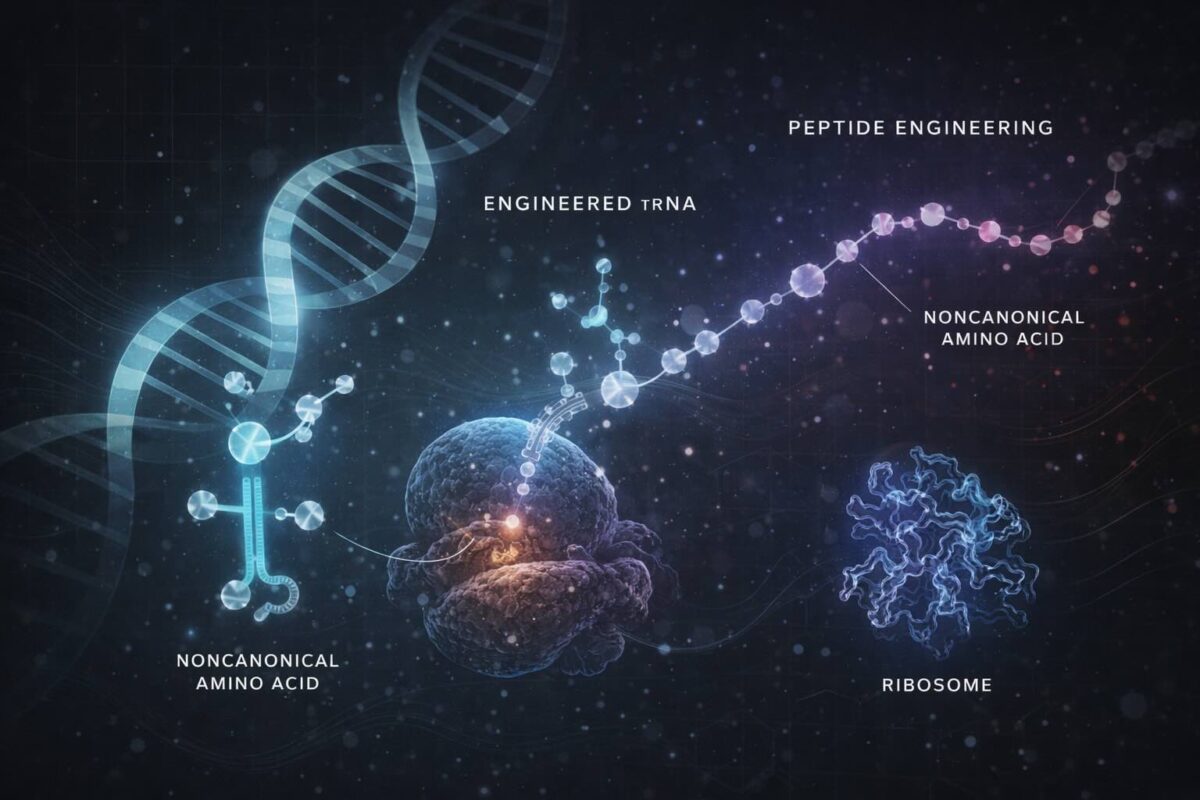
Expanding the Horizon of Peptide Therapeutics: How Engineered tRNAs Enable Ribosomal Incorporation of Noncanonical Amino Acids
Peptides (short chains of amino acids) are increasingly important in medicine as highly specific and potent therapeutic agents. However...
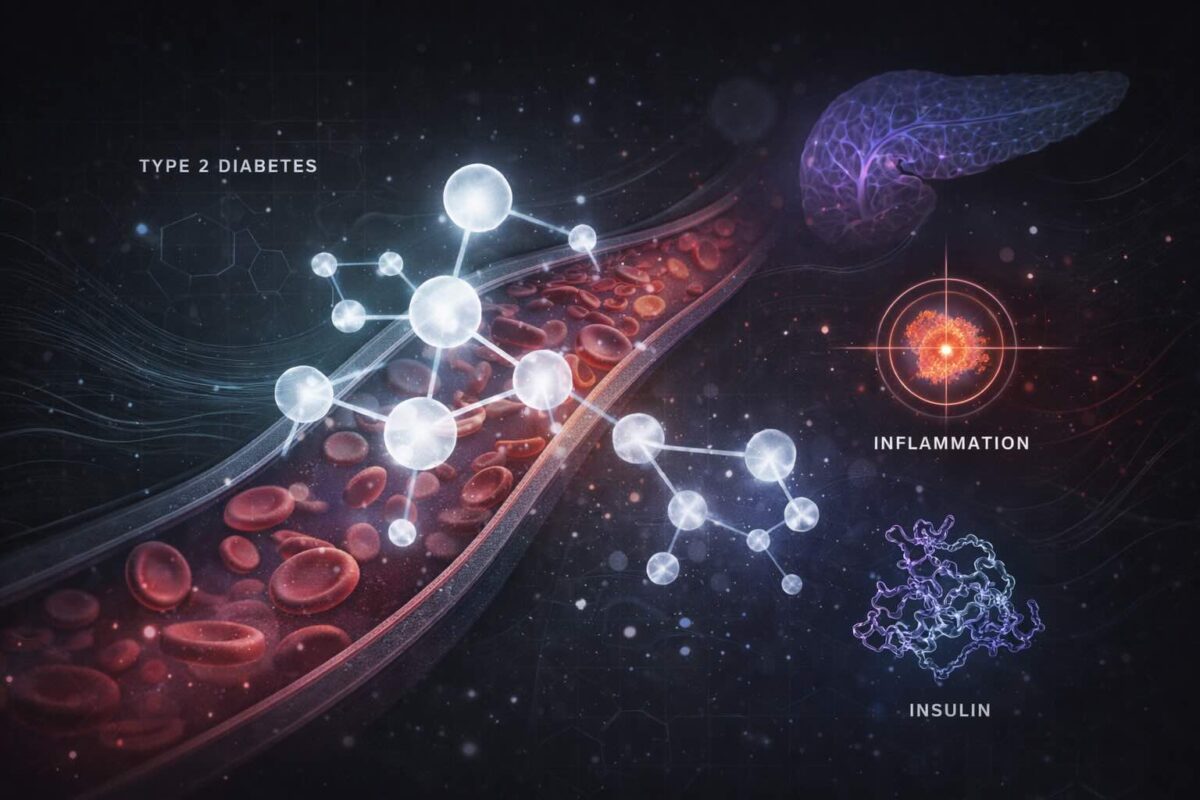
How Peptide-Based Therapies Like Exenatide Target Insulin Resistance and Inflammation in Type 2 Diabetes
Introduction: Peptide Therapies Transforming Diabetes Care
Type 2 diabetes mellitus (T2DM) is a global health crisis marked by the bod...

BPC-157 and TB-500: Examining a Dual-Peptide Synergy in Tissue Repair Research
A deep dive into the science behind the BPC-157 & TB-500 peptide blend, a research-grade dropper studied for tissue regeneration, angiogenesis, & wound healing.

The Role of Tesamorelin in Modulating Growth Hormone Pathways and Metabolism
Tesamorelin, a growth hormone-releasing hormone analog, is studied for its effects on lipid metabolism, endocrine function, and cellular energy regulation under controlled research conditions.

TB-500: Exploring the Synthetic Analog of Thymosin Beta-4 in Regenerative Research
TB-500, a synthetic analog of thymosin beta-4, is studied for its regenerative and wound-healing properties. Discover its laboratory applications, biological mechanisms, and regulatory considerations.

Encoded in the Mitochondria: How MOTS-c Shapes Metabolic and Aging Pathways
MOTS-c, a mitochondrial-encoded peptide, is studied for its effects on metabolism, energy regulation, and aging. Explore how researchers investigate its role in mitochondrial signaling and longevity.

A Three–Amino Acid Signal in Inflammation Control
KPV, a tripeptide fragment derived from alpha-MSH, is studied for its potent anti-inflammatory and immune-regulating properties. Discover how scientists use it to explore cytokine signaling and tissue repair.

IGF-1 LR3: Understanding the Long-Acting Insulin-Like Growth Factor in Research
IGF-1 LR3, a synthetic and extended form of IGF-1, is studied for its effects on cellular growth, tissue regeneration, and metabolic signaling. Discover how this peptide is shaping modern regenerative research.

Human Chorionic Gonadotropin 5000 IU: The Molecular Engine of Reproductive Science
HCG 5000 IU is a standardized hormone formulation studied for its roles in fertility, hormonal regulation, and reproductive research. Learn about its mechanisms, uses, and compliance requirements.
Inside the Science of GLP-3: How Retatrutide Is Shaping Metabolic Innovation
GLP-3 peptide (retatrutide) is studied for its impact on metabolic signaling, glucose regulation, and energy balance. Discover how scientists are exploring this next-generation incretin analog.

The Glow Blend and the Biology of Peptide-Driven Repair
The Glow Blend is a research formulation that unites GHK-Cu, BPC-157, and TB-500 to explore skin regeneration, tissue healing, and anti-inflammatory pathways under laboratory conditions.

GHK-Cu and the Molecular Language of Tissue Repair
GHK-Cu, a copper-binding tripeptide discovered in human plasma, is a leading focus in regenerative and cellular research. Learn how scientists study its antioxidant and tissue-repair properties under controlled laboratory conditions.