On March 6, 2026, Peptide Sciences, one of the most recognized names in the research amino acid compound space, voluntarily ceased all operations. No advance notice was given.
For thousands of researchers who relied on Peptide Sciences as their primary supplier, the closure created an immediate gap: where do you source research-grade amino acid compounds now?
What Happened
The research amino acid compound industry has faced increasing regulatory scrutiny over the past 18 months. The FDA issued warning letters to multiple vendors throughout 2025, and enforcement actions escalated from letters to warehouse raids to the introduction of the SAFE Drugs Act in early 2026. Peptide Sciences described its closure as “voluntary,” but the timing aligned with the most aggressive regulatory period in the industry’s history.
Third-party testing also raised questions. Independent analysis revealed inconsistent purity across several products in their catalog, particularly newer compounds. For a company built on trust, these findings may have accelerated the decision to close.
The Broader Regulatory Context
The Peptide Sciences closure did not happen in isolation. It reflects a wider shift in how federal agencies are approaching the research amino acid compound market. Several forces came together in 2025 and early 2026 that changed the operating environment for vendors across the industry.
FDA enforcement escalation. Beginning in late 2024 and accelerating through 2025, the FDA increased warning letter activity directed at research amino acid compound vendors and compounding pharmacies. By September 2025, more than 50 warning letters had been issued across the industry. Enforcement focus centered on companies whose marketing or product descriptions could be interpreted as promoting human use.
The Category 2 reclassification. In 2023, the FDA moved 19 widely used amino acid compounds to its Category 2 list, restricting their preparation by compounding pharmacies. This created downstream pressure on the grey-market supply chain as the regulatory line around these compounds became more clearly defined.
Pharmaceutical litigation. Major pharmaceutical manufacturers pursued legal action against compounding pharmacies and amino acid compound vendors throughout 2025, adding legal exposure to an already complex operating environment.
The SAFE Drugs Act. Introduced in early 2026, this proposed legislation would expand FDA authority to pursue enforcement against entities distributing unapproved amino acid compound products. Its introduction signaled increasing Congressional support for tighter regulation of the space.
Positive developments. On February 27, 2026, HHS Secretary Robert F. Kennedy Jr. announced that approximately 14 of the 19 previously restricted amino acid compounds would be reclassified back to Category 1, restoring legal access through licensed compounding pharmacies with a physician’s prescription. This is the most significant policy development for amino acid compound access in two years and reopens a legitimate pathway for many researchers.
What This Means for Researchers
The closure of any major supplier disrupts supply chains and raises questions about the reliability of the broader market. But it also underscores a fundamental truth: in regulated industries, the companies that survive are the ones built on compliance, transparency, and verifiable quality from day one.
If you are evaluating alternative suppliers, here is what matters:
Third-party COAs on every batch. Not a generic PDF on a website — batch-specific Certificates of Analysis from accredited laboratories. You should be able to verify the purity of the exact product you receive.
USA-based testing and fulfillment. Domestic processing eliminates import delays, customs complications, and the quality degradation that can occur during international shipping.
99%+ purity standard. This should be verified, not claimed. The difference between a supplier that tests and one that does not became clear when Peptide Sciences’ own testing results were published.
Responsive customer support. One of the most common complaints about Peptide Sciences in its final months was unanswered support tickets. You should be able to reach a real person.
Compliance-first operations. Companies that take regulatory compliance seriously are the ones that will still be operating a year from now. Look for proper product labeling, research-use-only disclaimers, and transparent business practices.
A Note on Scam Sites
Following the closure, fraudulent websites appeared using Peptide Sciences branding and domain variations. If you encounter any site claiming to currently sell under the Peptide Sciences name, exercise caution and verify independently before entering any payment information.
About Alpha Peps
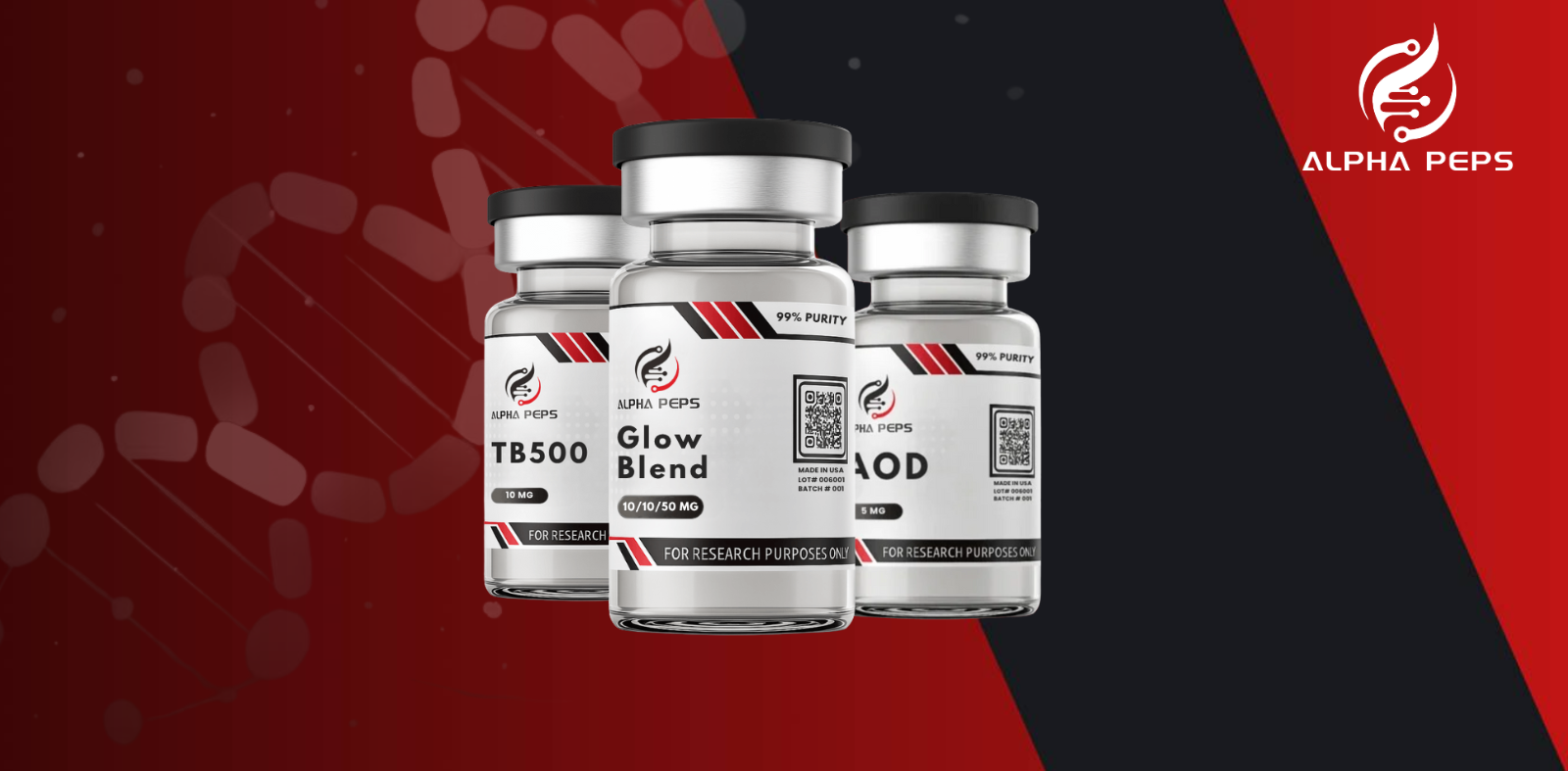
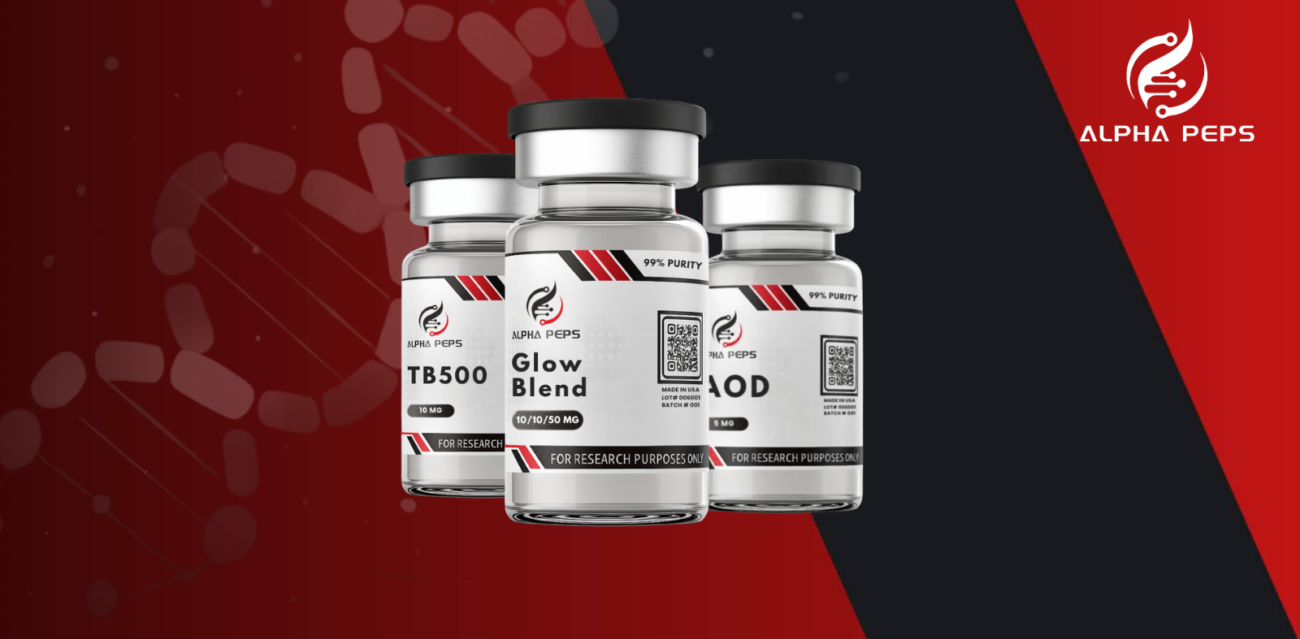
Alpha Peps is a US-based supplier of research-grade peptides. Every product ships with a batch-specific Certificate of Analysis. All products are 99%+ purity, tested in the USA, and shipped directly from our facility within 1 to 2 business days.
Our catalog includes the products researchers relied on Peptide Sciences for — premium amino acid compounds such as BPC-157, TB-500, CJC/Ipamorelin, GHK-Cu, AOD-9604, IGF-1 LR3, MOTS-c, and more — with the quality verification that should have been the industry standard all along.
We are not here because Peptide Sciences closed. We have been here. But if you are looking for a reliable supplier that is not going anywhere, we would welcome the opportunity to earn your trust.
Browse our full research catalog
Frequently Asked Questions
Did Peptide Sciences permanently shut down?
Peptide Sciences voluntarily ceased all operations on March 6, 2026. The company has posted no indication of a planned reopening, and the regulatory environment that contributed to the closure has not eased for grey-market vendors.
Why did Peptide Sciences shut down?
No official explanation was given beyond the word “voluntary.” The closure coincided with the most aggressive regulatory enforcement period the research amino acid compound industry has experienced, including more than 50 FDA warning letters issued across the industry in 2025, pharmaceutical litigation from major manufacturers, and the introduction of the SAFE Drugs Act in early 2026.
What should I do about an unfulfilled Peptide Sciences order?
Contact Peptide Sciences directly through whatever channels remain available to you. If you are unable to reach them, your credit card provider or bank may be able to assist with a dispute for an undelivered order. Policies and timelines vary by provider.
Are amino acid compounds still legal for research in 2026?
The legal landscape shifted in February 2026 when HHS announced that approximately 14 of the 19 previously restricted amino acid compounds would be reclassified back to Category 1, restoring access through licensed compounding pharmacies with a physician’s prescription. Research-grade amino acid compounds sold for laboratory use by compliant vendors operate in a separate category. This area continues to evolve and researchers should stay informed.
Will other amino acid compound vendors shut down too?
Peptide Sciences was not the only vendor affected by the 2025 enforcement wave — several companies across the industry closed or reduced operations during this period. Vendors built on compliance, domestic testing, and clear research-use positioning are generally better positioned for the current regulatory environment than those that are not.
What is the best alternative to Peptide Sciences for researchers?
Look for a US-based supplier with batch-specific third-party COA documentation, 99%+ verified purity, domestic fulfillment, and a compliance-first approach to product labeling and marketing. Alpha Peps carries the compounds most commonly sourced from Peptide Sciences and has remained operational throughout the 2025 and 2026 regulatory period.
Is the amino acid compound research market still viable in 2026?
Yes. The February 2026 HHS reclassification of 14 previously restricted amino acid compounds back to Category 1 is a meaningful positive development for the research community. The market is consolidating around vendors and compounding pharmacies that meet regulatory standards, which is ultimately better for research quality and supply reliability.
This page is maintained for informational purposes only and does not constitute legal or medical advice. Regulatory information reflects the landscape as of May 2026 and is subject to change. All Alpha Peps products are sold for laboratory research purposes only and are not intended for human consumption.