


How Peptide-Based Therapies Like Exenatide Target Insulin Resistance and Inflammation in Type 2 Diabetes
Introduction: Peptide Therapies Transforming Diabetes Care
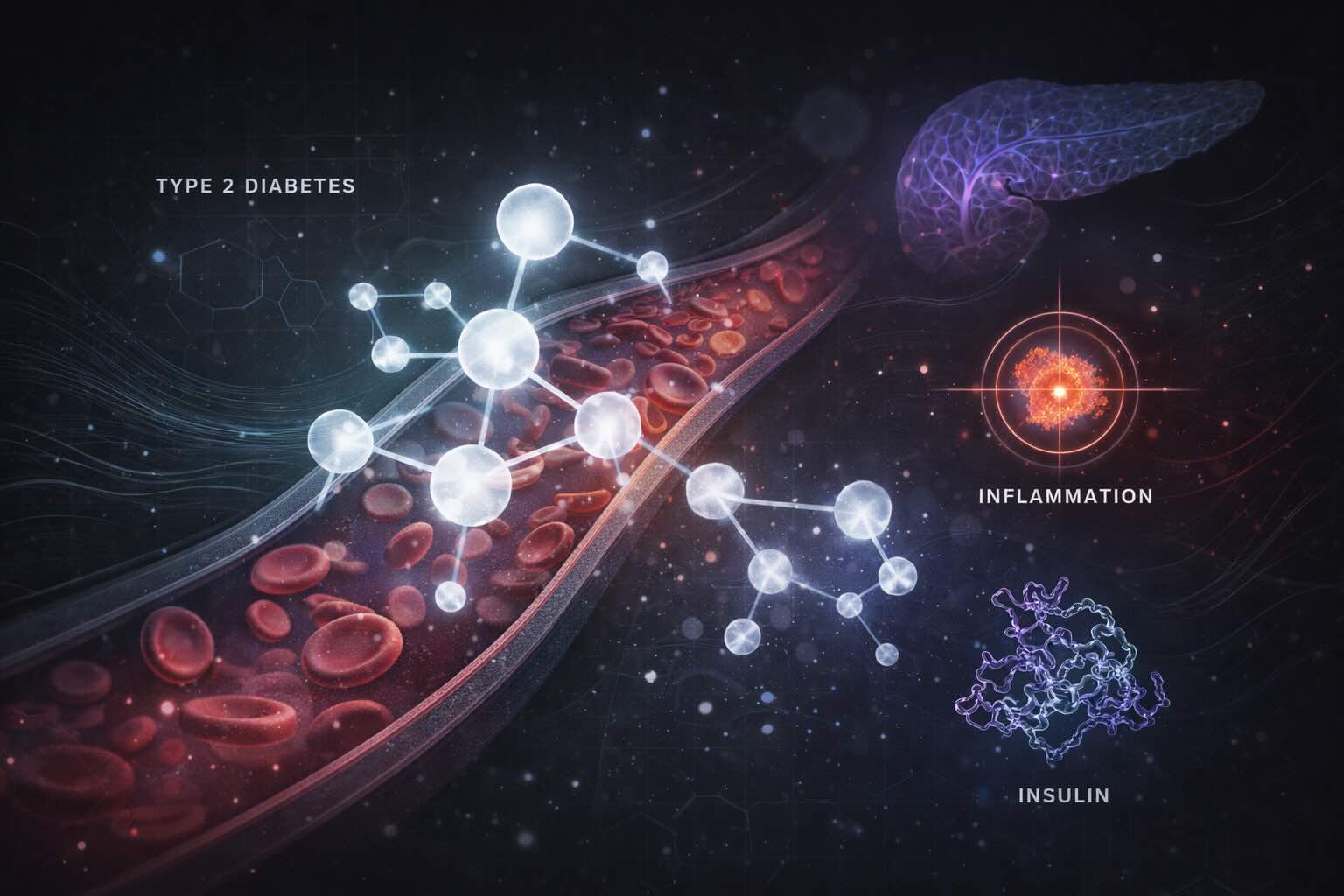
Type 2 diabetes mellitus (T2DM) is a global health crisis marked by the body’s impaired ability to regulate blood sugar, largely due to insulin resistance. Advances in peptide-based drugs, notably glucagon-like peptide-1 receptor agonists (GLP-1RAs), have revolutionized treatment by improving blood sugar control and mitigating complications. Recent research sheds light on molecular mechanisms behind these benefits, highlighting the role of peptides like exenatide in reducing inflammatory cell death pathways such as pyroptosis through interactions with nuclear receptors like PPARδ. Understanding these pathways offers new opportunities for personalized diabetes therapy and better clinical outcomes.
Background: Understanding Insulin Resistance and Peptide Drug Action
Insulin resistance occurs when cells in muscles, fat, and liver do not respond effectively to insulin, resulting in elevated blood glucose. This is the hallmark of T2DM and a driver of long-term complications.
GLP-1 (Glucagon-like peptide-1) is a naturally occurring peptide hormone that enhances insulin secretion, inhibits glucagon release, slows gastric emptying, and promotes satiety. Exenatide is the first GLP-1 receptor agonist (GLP-1RA) developed to mimic these effects and improve blood sugar control.
Peroxisome proliferator-activated receptors (PPARs) are nuclear receptor proteins that regulate genes controlling metabolism and inflammation. Among the PPAR family, PPARδ is gaining attention for its role in modulating insulin sensitivity and lipid metabolism.
Pyroptosis is a form of programmed cell death driven by inflammatory signals, involving the NLRP3 inflammasome complex. Unlike apoptosis, pyroptosis releases pro-inflammatory cellular components, exacerbating chronic inflammation—central to insulin resistance in the liver and other tissues.
Key Findings: Linking Exenatide, PPARδ, and Pyroptosis in Insulin Resistance
Recent studies have identified that exenatide not only promotes insulin secretion but also interacts directly with PPARδ to regulate inflammatory pathways implicated in insulin resistance.
Specifically, exenatide upregulates PPARδ protein expression in the liver, which then suppresses the activation of the NLRP3 inflammasome, reducing pyroptosis-mediated cell death and inflammation.
In both cellular and animal models, knocking down PPARδ abolished the protective effects of exenatide on insulin resistance and pyroptosis, underscoring PPARδ’s crucial role.
Moreover, genetic variations in the gene encoding PPARδ (PPARD rs3777744 polymorphism) correlate with differential patient responses to exenatide, suggesting a biomarker for personalized treatment approaches in T2DM.
These insights underline the multifaceted actions of peptide therapies: beyond conventional glucose lowering, they modulate inflammation and cell death pathways at a molecular level.
Implications: Towards Personalized, Inflammation-Targeted Diabetes Therapies
The understanding that exenatide modulates PPARδ to curb pyroptosis offers a promising new angle to address hepatic insulin resistance, a key contributor to systemic metabolic dysfunction in T2DM.
Targeting inflammation directly may provide enhanced disease control and reduce complications traditionally associated with chronic hyperglycemia.
Importantly, pharmacogenomics insights—linking specific PPARD gene polymorphisms with therapeutic efficacy—could allow clinicians to tailor exenatide and other GLP-1RA prescriptions to patients most likely to benefit.
This personalized medicine approach could improve outcomes, reduce costs, and minimize side effects.
Additionally, the interplay between peptide hormones, nuclear receptors, and programmed cell death pathways opens new research frontiers for designing novel peptide therapeutics with enhanced efficacy.
Key Takeaways
- GLP-1 peptides like exenatide improve type 2 diabetes outcomes by enhancing insulin secretion and reducing insulin resistance.
- PPARδ is a nuclear receptor that regulates genes involved in metabolism and inflammation, and is a critical mediator of exenatide’s effects.
- Pyroptosis is an inflammatory form of cell death contributing to hepatic insulin resistance; exenatide suppresses pyroptosis via PPARδ activation.
- Genetic variations in PPARD may predict how well patients respond to peptide-based diabetes treatments, enabling personalized therapies.
- Targeting inflammation and metabolic pathways simultaneously represents a promising strategy in diabetes drug development.
Frequently Asked Questions (FAQs)
What is exenatide and how does it work?
Exenatide is a synthetic peptide that mimics the hormone GLP-1, stimulating insulin release, slowing digestion, and improving insulin sensitivity to lower blood sugar in type 2 diabetes patients.
What are PPARs and why is PPARδ important?
Peroxisome proliferator-activated receptors (PPARs) are proteins that control gene expression related to metabolism. PPARδ, one subtype, regulates fat metabolism and inflammation, influencing insulin sensitivity.
What is pyroptosis and its role in diabetes?
Pyroptosis is an inflammatory form of programmed cell death where infected or damaged cells release inflammatory molecules, causing tissue inflammation. In diabetes, pyroptosis in liver cells worsens insulin resistance.
How does genetic variation affect response to exenatide?
Variations in the PPARD gene affect how strongly PPARδ responds to exenatide, altering the drug’s efficacy in reducing insulin resistance and inflammation.
Are peptide therapies the future of diabetes treatment?
Yes, peptide-based drugs targeting multiple mechanisms including hormone regulation and inflammation offer promising advances toward better and personalized diabetes care.
The development of peptide-based therapies like exenatide marks a transformational period in managing type 2 diabetes by addressing both metabolic dysfunction and inflammation. By activating nuclear receptors such as PPARδ to suppress pyroptosis, these drugs not only improve insulin resistance but also open pathways for personalized medicine based on genetic biomarkers. Future research and clinical applications will continue to leverage these molecular insights, advancing more effective, targeted treatments for millions affected by diabetes worldwide.
References:
- Int Immunopharmacol. 2026 Feb 21;175:116416. doi: 10.1016/j.intimp.2026.116416.
- American Diabetes Association. Standards of Medical Care in Diabetes—2023.
- Bellaire, B.H. et al. The Role of PPARs in Metabolic Regulation. Metabolism Journal. 2021.
- Jorgensen, I. & Miao, E.A. Pyroptotic cell death defends against intracellular pathogens. Immunological Reviews. 2015.
Related posts
Expanding the Horizon of Peptide Therapeutics: How Engineered tRNAs Enable Ribosomal Incorporation of Noncanonical Amino Acids
How Peptide-Based Therapies Like Exenatide Target Insulin Resistance and Inflammation in Type 2 Diabetes
BPC-157 and TB-500: Examining a Dual-Peptide Synergy in Tissue Repair Research
The Role of Tesamorelin in Modulating Growth Hormone Pathways and Metabolism
TB-500: Exploring the Synthetic Analog of Thymosin Beta-4 in Regenerative Research
Encoded in the Mitochondria: How MOTS-c Shapes Metabolic and Aging Pathways
A Three–Amino Acid Signal in Inflammation Control
IGF-1 LR3: Understanding the Long-Acting Insulin-Like Growth Factor in Research
Human Chorionic Gonadotropin 5000 IU: The Molecular Engine of Reproductive Science
Inside the Science of GLP-3: How Retatrutide Is Shaping Metabolic Innovation
The Glow Blend and the Biology of Peptide-Driven Repair
GHK-Cu and the Molecular Language of Tissue Repair
Recent Posts
- Expanding the Horizon of Peptide Therapeutics: How Engineered tRNAs Enable Ribosomal Incorporation of Noncanonical Amino Acids
- How Peptide-Based Therapies Like Exenatide Target Insulin Resistance and Inflammation in Type 2 Diabetes
- BPC-157 and TB-500: Examining a Dual-Peptide Synergy in Tissue Repair Research
- The Role of Tesamorelin in Modulating Growth Hormone Pathways and Metabolism
- TB-500: Exploring the Synthetic Analog of Thymosin Beta-4 in Regenerative Research