All content on this page is intended for educational and research purposes only. BPC-157 is not approved by the FDA for human use and is sold exclusively as a research compound.
What Is BPC-157 and Why Has It Been Studied for 30 Years?
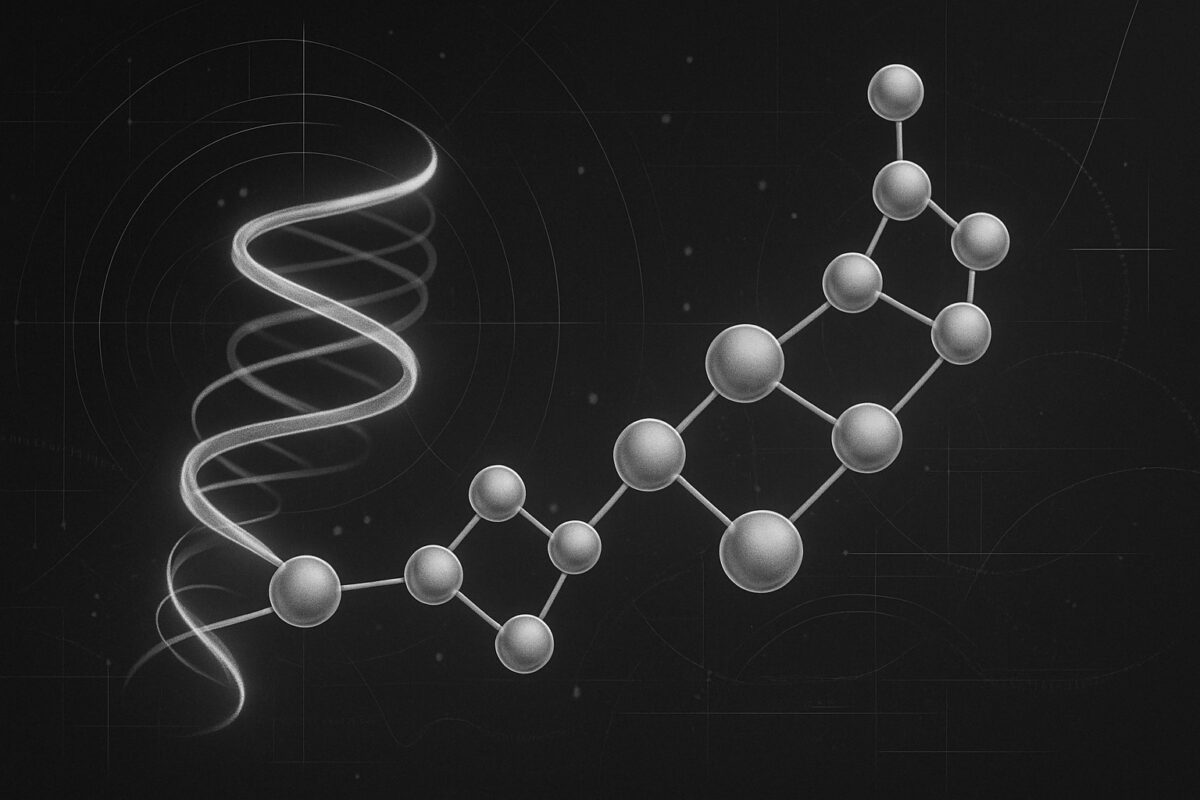
BPC-157 is a synthetic amino acid compound consisting of 15 amino acids, originally isolated from a protective protein found in human gastric juice. Its full name is Body Protection Compound 157, and the name is fairly literal — the amino acid compound was identified in the stomach, where it appears to play a role in protecting and maintaining the mucosal lining.
What caught researchers’ attention early was something unusual about this compound: it showed effects across tissue types far beyond the gastrointestinal tract where it was found. Studies in the 1990s led by Predrag Sikiric at the University of Zagreb began documenting effects in tendons, ligaments, muscle, and the nervous system. Over the following three decades, more than 100 preclinical studies have examined BPC-157 across a wide range of injury models. That volume of consistent findings across multiple research groups is what keeps it near the top of the most-studied amino acid compounds in regenerative biology.
One property that sets BPC-157 apart is its stability. Most amino acid compounds break down quickly in biological environments. BPC-157 remains stable in human gastric juice for more than 24 hours — a characteristic that has practical implications for how it behaves in different research models and has contributed to its consistent study across oral, injectable, and topical experimental protocols.
What the Research Has Actually Found
BPC-157 does not work through one pathway. The research has identified several interconnected mechanisms, which is part of why it shows up consistently across different tissue types in preclinical studies.
Blood Vessel Formation and Tissue Repair
The most consistently documented mechanism in BPC-157 research involves vascular endothelial growth factor receptor 2, known as VEGFR2. A 2017 study published in the Journal of Molecular Medicine by Hsieh et al. showed that BPC-157 promotes VEGFR2 internalization and downstream Akt-eNOS activation, increasing vessel density both in cell culture and animal models (DOI: 10.1007/s00109-016-1488-y).
Why does this matter? Tendons, ligaments, and other connective tissues are poorly vascularized by nature. Inadequate blood supply is one of the primary reasons these tissues heal slowly. By promoting angiogenesis — the formation of new blood vessels — BPC-157 addresses a foundational bottleneck in connective tissue repair that most other studied compounds do not directly target.
Nitric Oxide Regulation
Closely connected to the VEGFR2 pathway is BPC-157’s influence on nitric oxide production. A 2020 study published in Scientific Reports (PMC7555539) documented that BPC-157 activates endothelial nitric oxide synthase through VEGFR2 activation, AKT stimulation, and reduction of the Caveolin-1 inhibitory interaction with eNOS.
The notable finding here is not simply that BPC-157 increases nitric oxide — it is that it appears to modulate the NO system bidirectionally depending on tissue context, rather than driving uncontrolled elevation. That kind of context-dependent regulation is mechanistically more sophisticated than a simple agonist effect and may explain some of the compound’s observed stability across different experimental environments.
Fibroblast Behavior in Tendon Tissue
A study on tendon healing published in the Journal of Applied Physiology (DOI: 10.1152/japplphysiol.00945.2010) found something more nuanced than expected. BPC-157 did not simply increase fibroblast proliferation. What it did was markedly increase fibroblast survival under oxidative stress and significantly enhance fibroblast migration in a dose-dependent manner. The researchers concluded that BPC-157’s contribution to tendon healing is primarily through tendon outgrowth, cell survival, and migration — not direct proliferative stimulation.
That distinction is worth noting because it suggests BPC-157’s mechanism in tendon tissue is about supporting the cells already doing repair work rather than forcing proliferation, which carries different implications for how researchers model its effects.
Growth Hormone Receptor Upregulation
A study published via PMC (Chang et al., Molecules 2014) found that BPC-157 enhances growth hormone receptor expression in tendon fibroblasts. This points to a possible interaction with the GH/IGF-1 signaling axis — a finding that has generated interest among researchers studying BPC-157 in the context of age-related connective tissue changes and recovery from structural injuries.
What the Musculoskeletal Research Shows
The largest body of BPC-157 preclinical literature focuses on musculoskeletal tissue, and the findings are the most consistent in this area. A 2025 systematic review published in the American Journal of Sports Medicine by Vasireddi et al. examined the full available BPC-157 literature from an orthopedic sports medicine perspective through June 2024 (DOI: 10.1177/15563316251355551). Here is what the preclinical evidence supports:
Tendon injuries. Multiple rat model studies have shown accelerated healing of transected Achilles tendon with BPC-157 treatment. The mechanism involves enhanced fibroblast outgrowth, increased vascularization at the injury site, and growth hormone receptor upregulation in tendon tissue.
Ligament tears. Medial collateral ligament injury models have shown faster recovery timelines in BPC-157 treated animals compared to controls.
Muscle injuries. Crush and transection models have documented reduced inflammatory response and accelerated fiber regeneration with BPC-157 treatment.
Bone fractures. Early preclinical data suggests influence on bone healing, though this area has fewer studies than the soft tissue literature.
The systematic review is direct about the limits of this evidence: all musculoskeletal findings come from animal models, primarily rodents. Human clinical trial data for these applications does not yet exist in any meaningful form.
BPC-157 and the Gut
Given that BPC-157 originates from gastric juice, the gastrointestinal research is the oldest and most mechanistically detailed area of the literature. A 2021 review in Frontiers in Pharmacology (DOI: 10.3389/fphar.2021.627533) by Seiwerth, Milavic, Vukojevic and colleagues documented BPC-157’s observed effects across esophageal, gastric, and intestinal injury models. The finding that stands out: the same angiogenic mechanisms identified in musculoskeletal research appear to be operating in GI tissue as well, including VEGF upregulation, nitric oxide modulation, and fibroblast activity. A conserved mechanism across very different tissue environments is an unusual finding and one that continues to drive research interest.
A 2023 paper in Pharmaceuticals (DOI: 10.3390/ph16050676) by Sikiric et al. explored BPC-157’s potential role in gut-brain axis function in animal models. This sits at the intersection of gastroenterology and neuroscience — a newer and less developed area of BPC-157 research but one that researchers in both fields have started paying attention to.
What the Research Does Not Yet Support
Thirty years of consistent animal findings is a meaningful evidence base. It is also not the same as human clinical proof, and being honest about that distinction is important.
No approved human applications exist anywhere. The FDA, EMA, TGA, and every other major regulatory agency has not approved BPC-157 for human therapeutic use in any indication.
Human clinical trial data is extremely thin. The published human data as of 2025 consists of a small pilot study on interstitial cystitis involving 12 patients, a knee pain study with 16 patients, and a 2025 IV safety study with 2 healthy adults. None of these address the musculoskeletal or gut applications that most of the preclinical literature focuses on.
Animal-to-human translation is unvalidated. Rodent models of tissue healing do not reliably predict human outcomes, particularly for complex injuries involving different biomechanical loads, vascular architecture, and immune environments than those present in rat studies.
FDA Category 2 classification. The FDA designated BPC-157 as a Category 2 bulk drug substance in 2023, meaning it cannot be legally compounded by 503A or 503B pharmacies in the United States. This classification cited concerns about immunogenicity, manufacturing impurities, and insufficient safety data.
WADA prohibited list. BPC-157 was added to the World Anti-Doping Agency prohibited substance list in 2022 under category S0: Non-Approved Substances.
None of this makes the preclinical literature irrelevant. It makes it what it is: a strong and consistent body of animal research that has not yet been validated in controlled human trials.
Research Formats Available
For researchers sourcing BPC-157 for laboratory use, the compound is available in lyophilized powder form for reconstitution or in capsule format depending on the research application. Batch-specific Certificate of Analysis documentation and HPLC-verified purity should be confirmed before use in any research context.
Alpha Peps supplies research-grade BPC-157 capsules (500mcg) with third-party COA verification. All products are sold exclusively for research purposes and are not intended for human consumption.
Researchers working across related connective tissue and repair areas will also find BPC-157 and TB-500 nasal blend, GHK-Cu cream, and IGF-1 LR3 in the Alpha Peps catalog.
Frequently Asked Questions
Why has BPC-157 been studied for over 30 years without human trials?
The research has primarily been driven by academic groups rather than pharmaceutical companies with the resources to fund large human trials. BPC-157 cannot be patented as a natural amino acid compound fragment, which reduces commercial incentive for expensive clinical development. The preclinical evidence base is substantial, but the path to human trials requires funding structures that have not materialized for this compound in the way they have for pharmaceutical candidates with clearer patent protection.
What tissues has BPC-157 been studied in?
Preclinical research has examined BPC-157 in tendon, ligament, muscle, bone, gastric mucosa, intestinal tissue, the central nervous system, and cardiovascular tissue. The most extensive and consistent literature covers musculoskeletal and gastrointestinal applications.
Is BPC-157 approved for human use?
No. BPC-157 has not been approved for human therapeutic use by any regulatory agency worldwide. In 2023, the FDA classified it as a Category 2 bulk drug substance, restricting its use in compounding pharmacies in the United States.
What is the primary mechanism identified in BPC-157 research?
The most consistently documented mechanism involves VEGFR2 activation and the downstream Akt-eNOS pathway, promoting angiogenesis and nitric oxide modulation. Secondary mechanisms include ERK1/2 signaling affecting fibroblast behavior and growth hormone receptor upregulation in tendon fibroblasts.
How does BPC-157 differ from TB-500?
BPC-157 and TB-500 are frequently studied together but operate through different mechanisms. BPC-157 primarily works through angiogenic and nitric oxide pathways. TB-500 is a synthetic analog of Thymosin Beta-4 that promotes actin polymerization and cell migration. They are often examined in combination in preclinical research because the mechanisms appear complementary rather than redundant.
Where can I source BPC-157 for research purposes?
Alpha Peps supplies research-grade BPC-157 capsules (500mcg) with batch-specific third-party COA verification and documented purity. All products are for laboratory research use only and are not intended for human consumption.
This article is for informational and research purposes only. Nothing on this page constitutes medical advice. BPC-157 is not approved for human use and should only be handled by qualified researchers in appropriate laboratory settings.